Septic emergency?
Call now
(208) 555-0100

What's happening with your septic?

Tell us what you’re seeing. We’ll call you back, give you a straight price, and get a septic technician out to your property.

Sewage coming up a drain right now? Stop running water and call (208) 555-0100. If we miss you, leave a message and we’ll call back first thing.

Not sure which? Pick the closest one. You can add details on the next step.

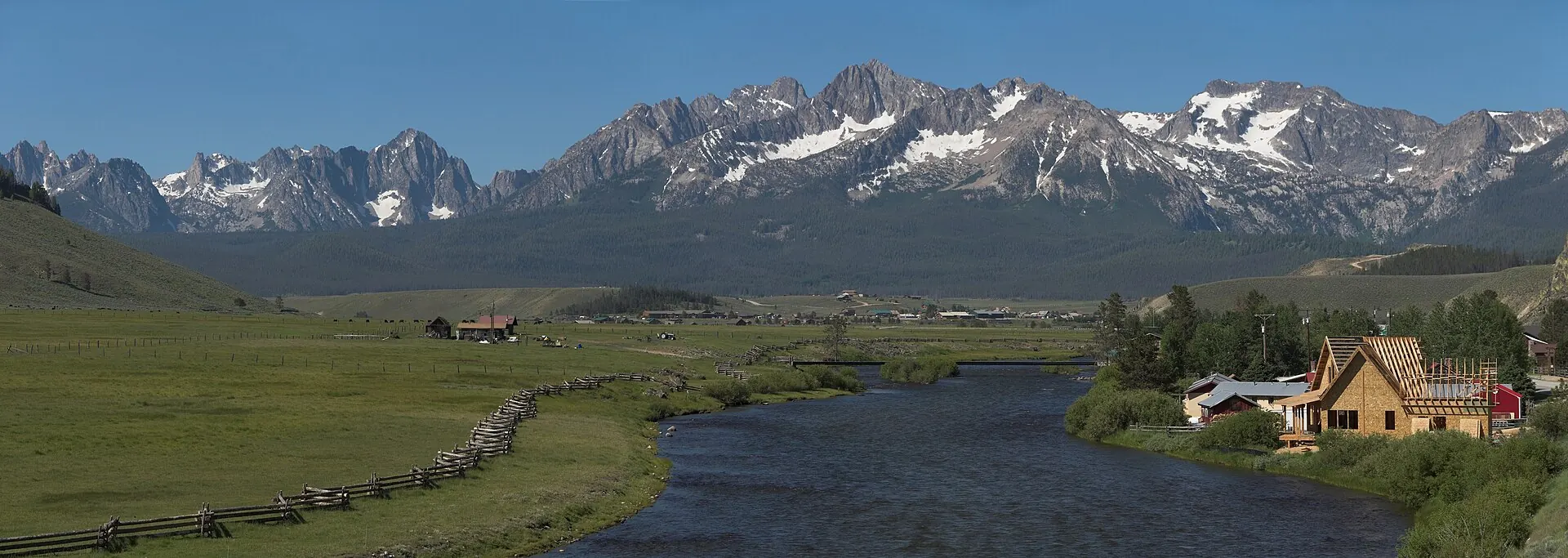
Homes along the Salmon River beneath the Sawtooth Mountains near Stanley, Idaho

A call back the same day

Send a request before mid-afternoon and we'll ring you back that day. Backups go to the front of the line.

The price before the work

You'll know what the job costs before anyone starts digging or pumping. No surprise add-ons on the invoice.

Technicians who know Idaho ground

Local crews who work with your health district's rules, your soil and your winters every week.

Septic work that starts with your property, not a script

A septic system in Coeur d’Alene isn’t built like one in Twin Falls, and it doesn’t fail the same way either.

North Idaho homes sit above the Rathdrum Prairie Aquifer, the region’s only source of drinking water, so systems there are designed and permitted with extra care. Around Nampa, Kuna and Meridian, crews often hit hardpan a couple of feet down. In eastern Idaho, ground that freezes hard and a high water table in places decide where a drain field can go.

That’s why the first thing we do is ask about your property: how old the system is, roughly where the tank sits, when it was last pumped, and what you’re noticing. The technician then turns up with the right equipment and a realistic price, and fewer visits end with “we’ll have to come back.”

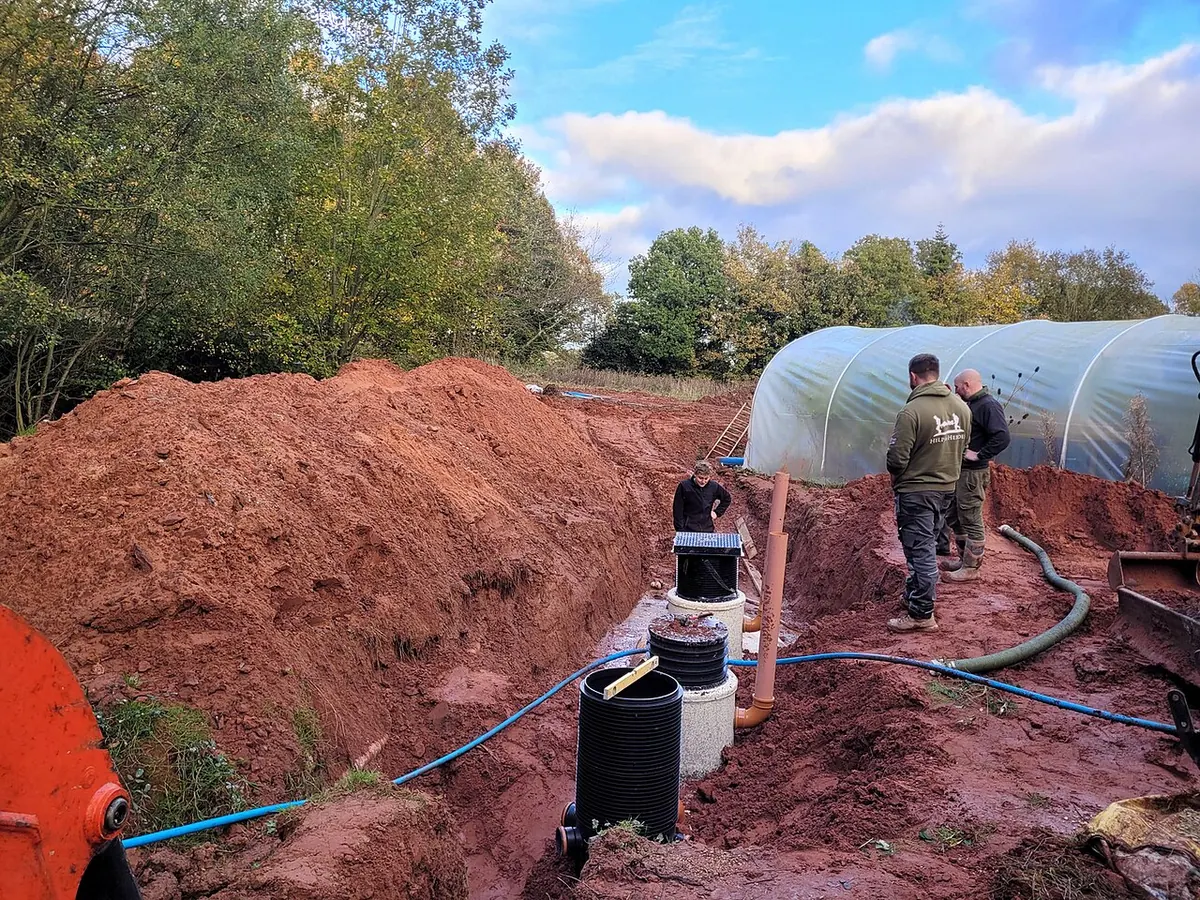
Technicians fitting a new septic tank and pipework in an open trench

Septic services across Idaho

Every job is priced for your property. We confirm the price with you on the call back, before any work starts.

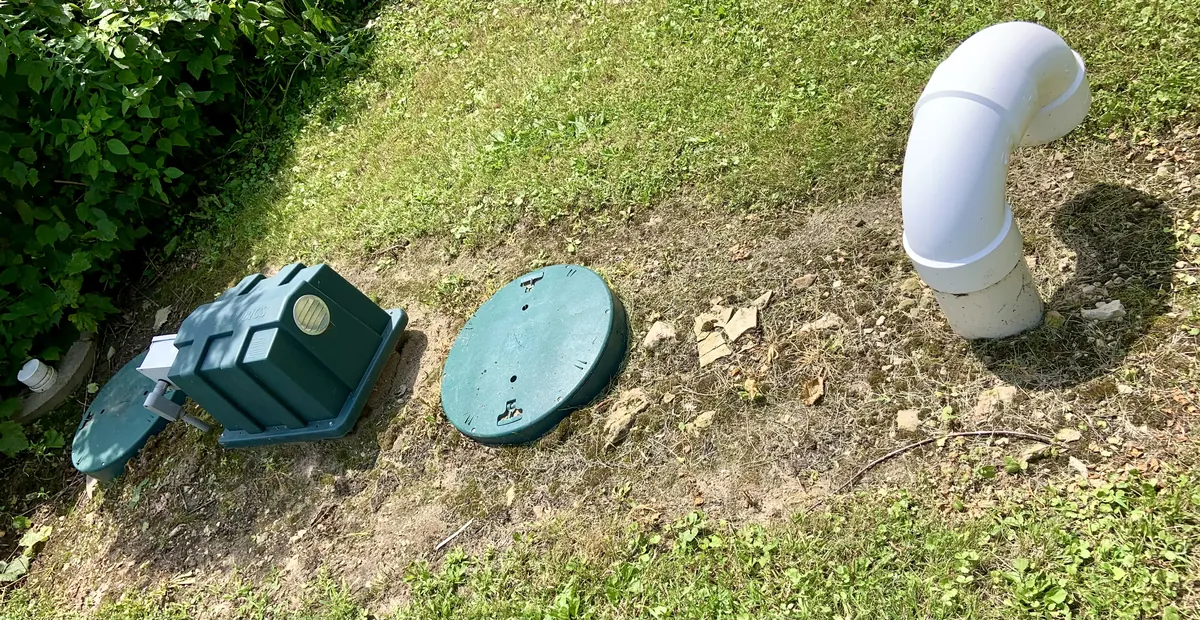
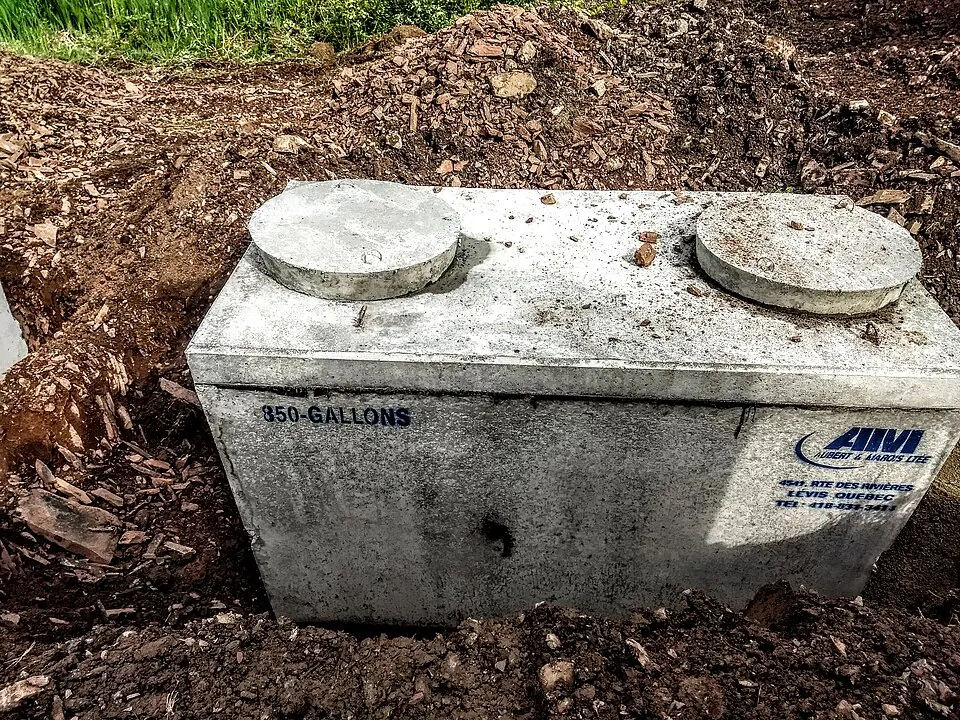
Septic tank access lids and a vent pipe set into a lawn

Septic tank pumping

Solids build up in every tank. Pump too late and they wash into the drain field, which is the most expensive part to replace. Most Idaho households need pumping every 3 to 5 years.

  • Find and uncover the tank lids
  • Pump out sludge and scum completely
  • Check baffles, inlet and outlet for damage
  • Tell you when the next pump-out is due
About septic pumping

How your septic system works, and where it goes wrong

Everything that leaves your house follows the same path. Tap each stop to see what it does and the signs it needs attention.

Groundwater Soil scum liquid sludge Drain field (gravel or chambers) 12345

Signs this part needs attention

    Seven signs your septic system needs a look

    Septic problems rarely fix themselves. Catching them early is usually the difference between a pump-out and a new drain field.

    (208) 555-0100
    • Drains slow all over the houseNot just one sink: the shower, toilets and sinks are all sluggish.
    • Gurgling pipesBubbling noises when you flush or drain the tub.
    • Sewage smellInside near drains, or outside around the tank or drain field.
    • Soggy or extra-green grassOver the drain field, especially in a dry Idaho summer.
    • Water backing upIn the lowest drain, floor drain or basement shower.
    • A septic alarm is soundingYour pump tank's high-water alarm is beeping or lit.
    • No pump-out in 5+ yearsOr you've just bought the house and nobody knows.

    Booking takes about a minute

    1

    Tell us what's going on

    Use the form or call. A few details about your property and the problem are all we need.

    2

    We call you back with a plan

    We'll confirm the job, give you a price range and set a time that suits you.

    3

    A technician fixes it

    A local technician arrives, explains what they found, and gets your system working again.

    North IdahoTreasure ValleyEastern IdahoMagic Valley

    We serve homes across Idaho, including towns not listed here.

    Septic service in your part of Idaho

    Septic permits in Idaho are issued by seven regional health districts, each with its own office and local requirements. Here’s who covers you.

    North Idaho

    Panhandle Health District

    Over the Rathdrum Prairie Aquifer, where systems face extra design rules to protect drinking water.

    Treasure Valley

    Central District Health and Southwest District Health

    Fast-growing acreage on the edges of town, where hardpan and older systems are common.

    Eastern Idaho

    Eastern Idaho Public Health

    Deep frost and a high water table in places affect where tanks and drain fields can go.

    Magic Valley

    South Central Public Health District

    Rural properties on lava rock and shallow soil, which can call for alternative system designs.

    Septic questions we hear every week

    Can’t find yours? Call and ask. There’s no charge for a question.

    How often should a septic tank be pumped in Idaho?

    Most homes need pumping every 3 to 5 years. A family of four on a 1,000-gallon tank is usually near the 3-year end; a couple on the same tank can often go longer. A garbage disposal, a water softener that backwashes into the tank, or a lot of laundry all shorten the gap.

    Who issues septic permits in Idaho?

    Your local public health district, under the state's subsurface sewage disposal rules (IDAPA 58.01.03). A permit is needed for new systems, replacements and most major repairs. On installation jobs, the permit application is handled for you.

    Do I need a septic inspection to sell my house?

    Idaho doesn't require one statewide, but most buyers, lenders and agents ask for one, and finding a failed drain field after closing is a costly surprise for everyone. An inspection before listing lets you fix problems on your own terms.

    What should I do if sewage is backing up?

    Stop using water straight away: no flushing, showers, laundry or dishwasher. Keep children and pets away from any sewage, and call us. Backups are handled first.

    How much does a new septic system cost in Idaho?

    It depends on the soil, the depth to groundwater, the size of the house and the design your health district requires. Shallow soil, high groundwater or the aquifer rules can call for an alternative system, which costs more than a conventional one. A site evaluation comes first, and you get a firm price before any work starts.

    Can you find my septic tank if I don't know where it is?

    Yes. The technician can trace the line from your house, and your health district may have the original permit drawing on file. We'll check for it when you book.

    Book septic service

    Send the details and we’ll call you back to confirm a price and a time. Prefer to talk? Call (208) 555-0100.

    • Free to ask, no obligation
    • A price before any work starts
    • Backups and alarms handled first

    Request a call back

    Takes about a minute.

    Name
    Optional

    By submitting, you agree that Reliable Septic Systems and its local service partners may contact you by phone, text or email about your request. Message and data rates may apply; message frequency varies. Reply STOP to opt out. See our Privacy Policy and Terms.

    Call now Book online